Art About Climbing
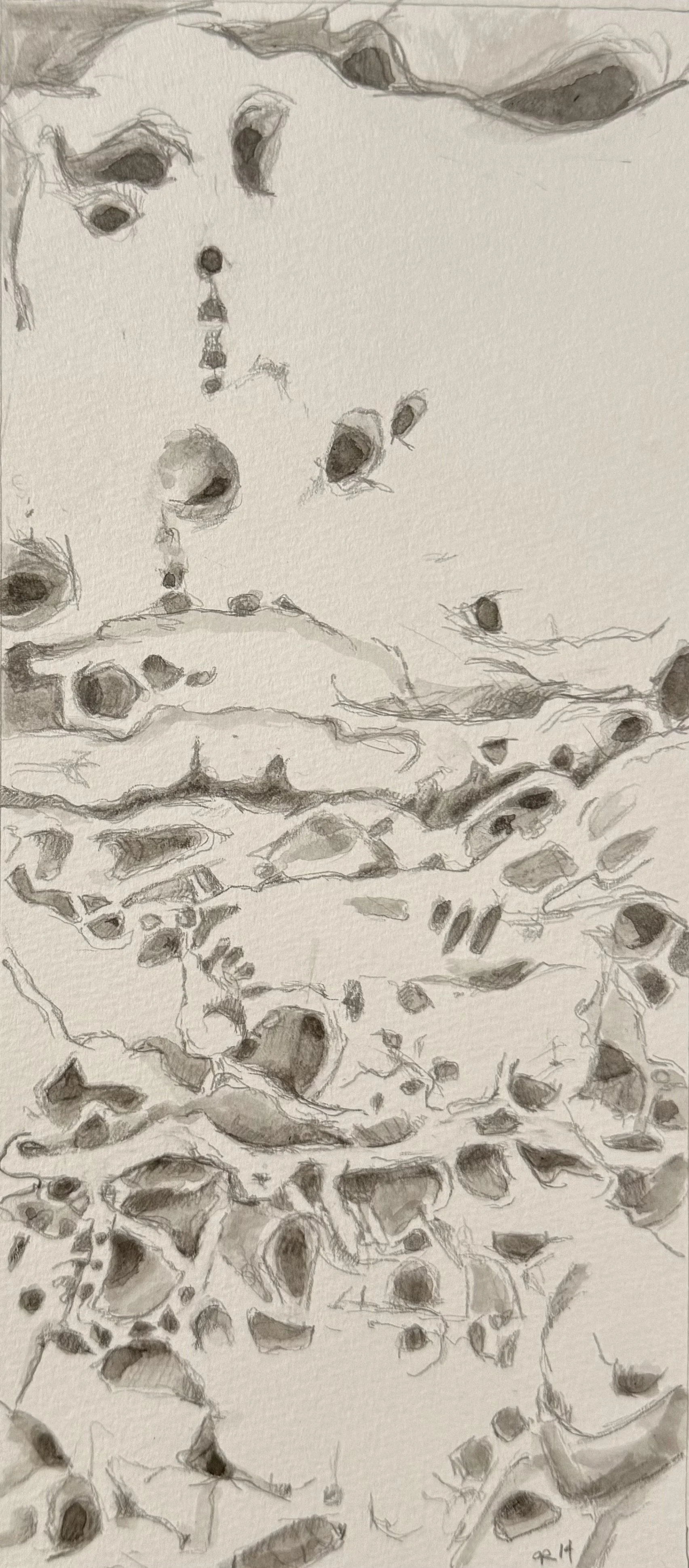
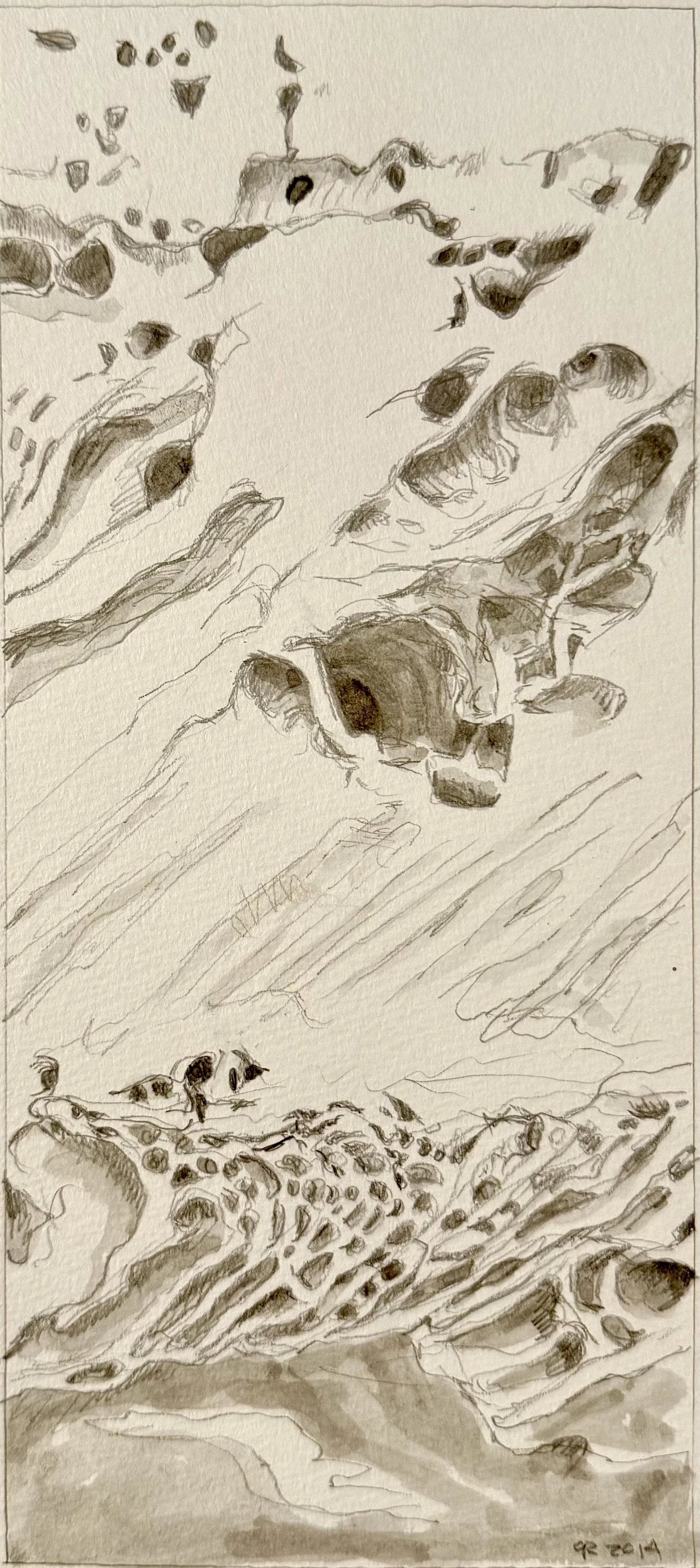
Boulder Problems
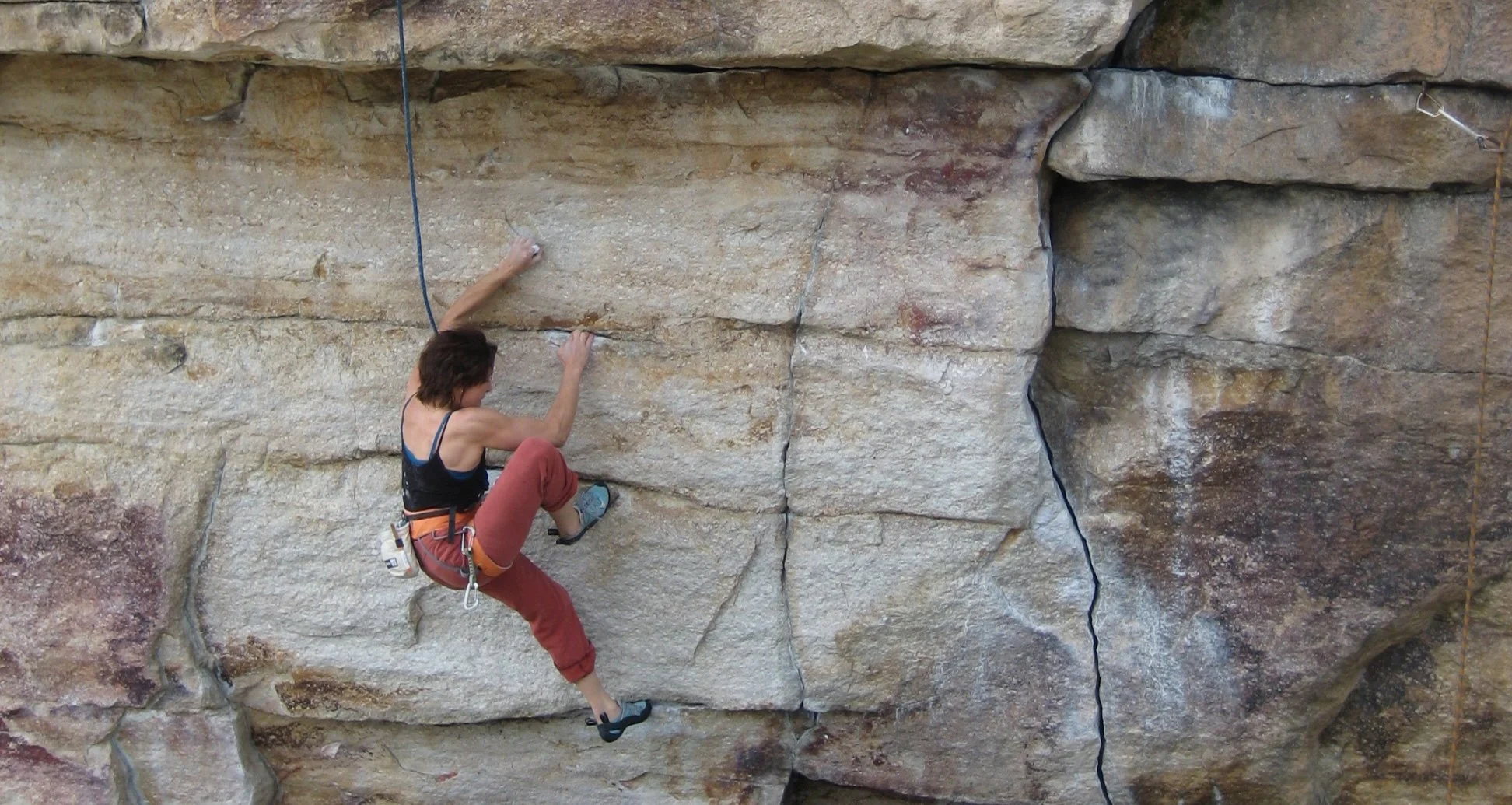
Artist Statement: They say, paint what you know. As a climber I know rock. In these big paintings I describe specific cliffs that I have climbed, mostly in North America. I have an intimate relationship with the sharp edges of Connecticut basalt and the complex angles of Nevada limestone.
The 19th century painter, Thomas Cole, wrote about his death-defying scrambles through New England's rocky forests. He admonished the would-be landscape painter to seek out such close encounters. I took that advice.
When I physically engage in a route, I must see both what’s ahead and what’s below. What pebble can I stand on? What crevice can I grip?
These cliffs are not distant scenery, but an extension of my body in the land.
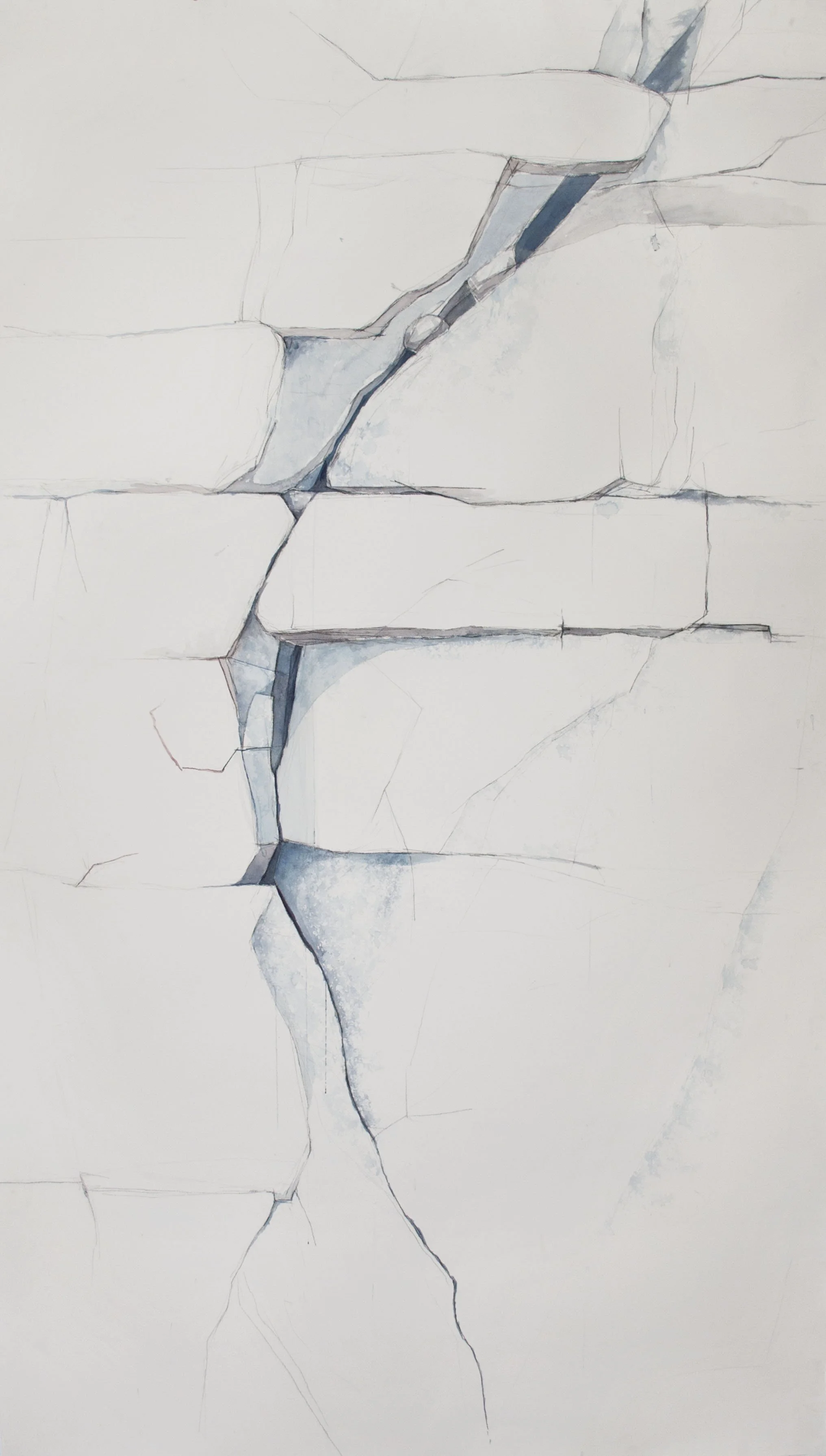
Persistence (Boulder Problem 3), 2010. Charcoal, ink, and watercolor on paper. 78 x 45 inches.
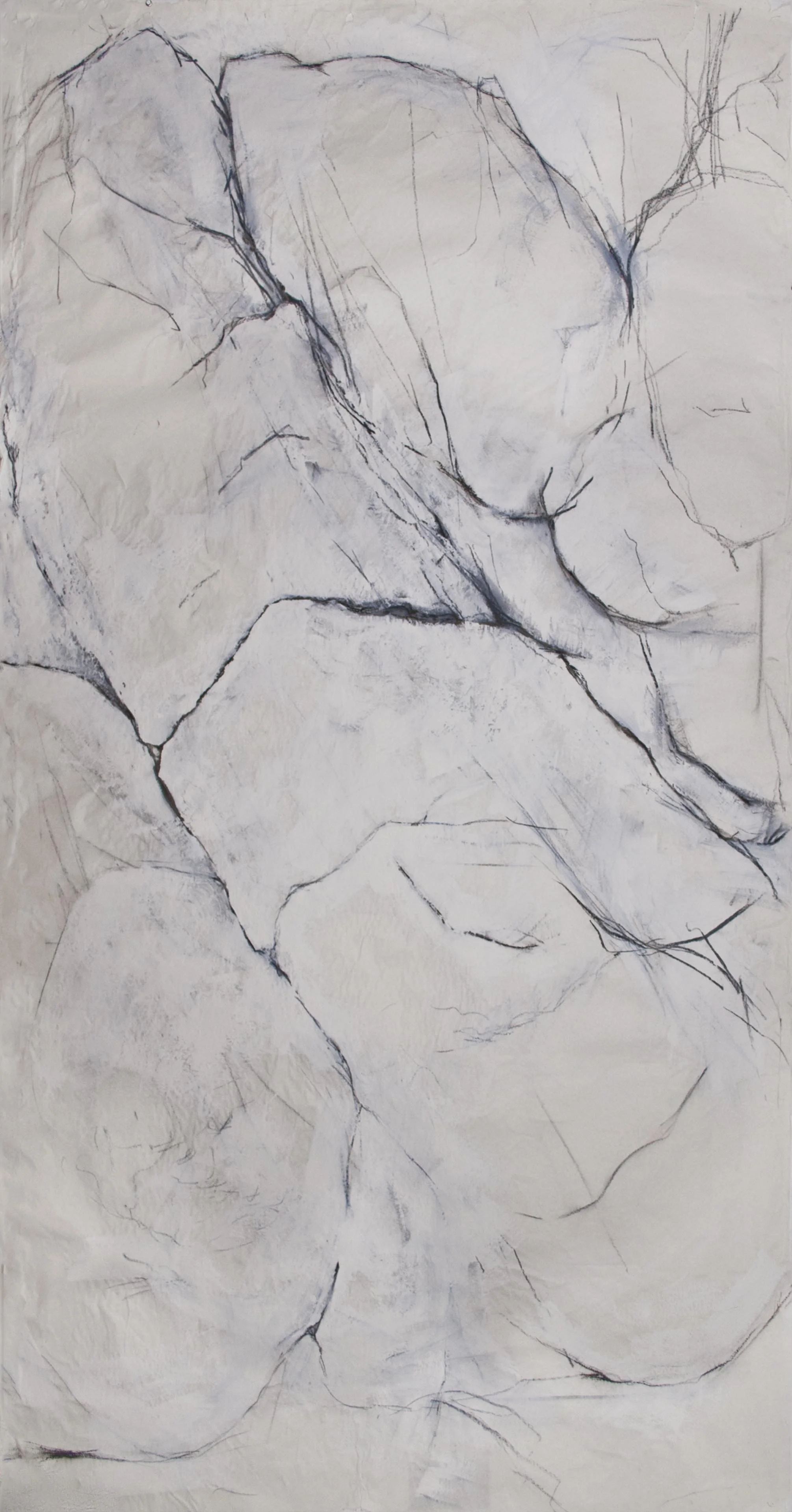
Untitled (Boulder Problem 9), 2010. Acrylic and charcoal on paper. 94 x 48 inches.
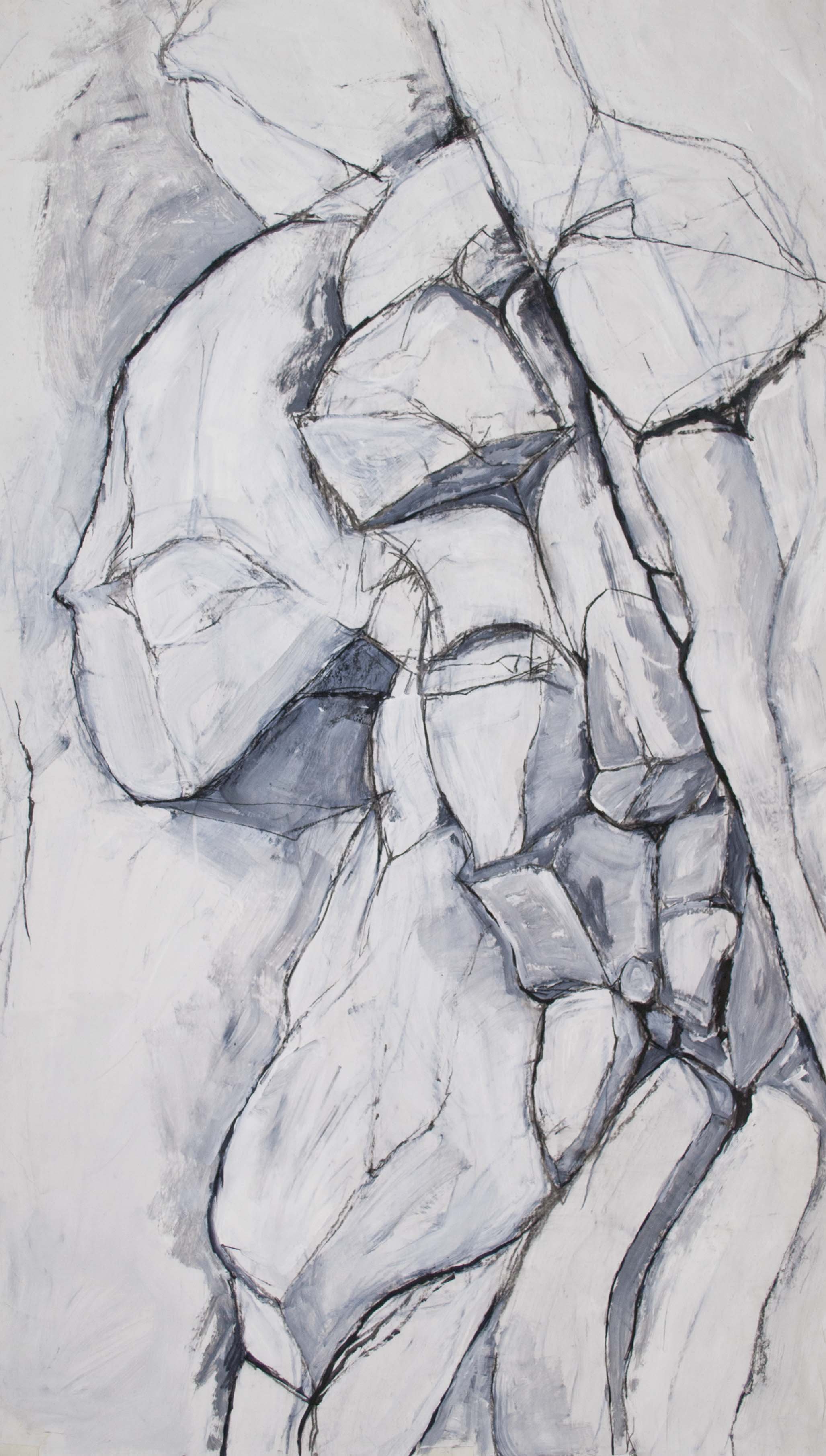
Fossil Family (Boulder Problem 11), 2010. Charcoal, ink, and watercolor on paper. 84 x 48 inches.
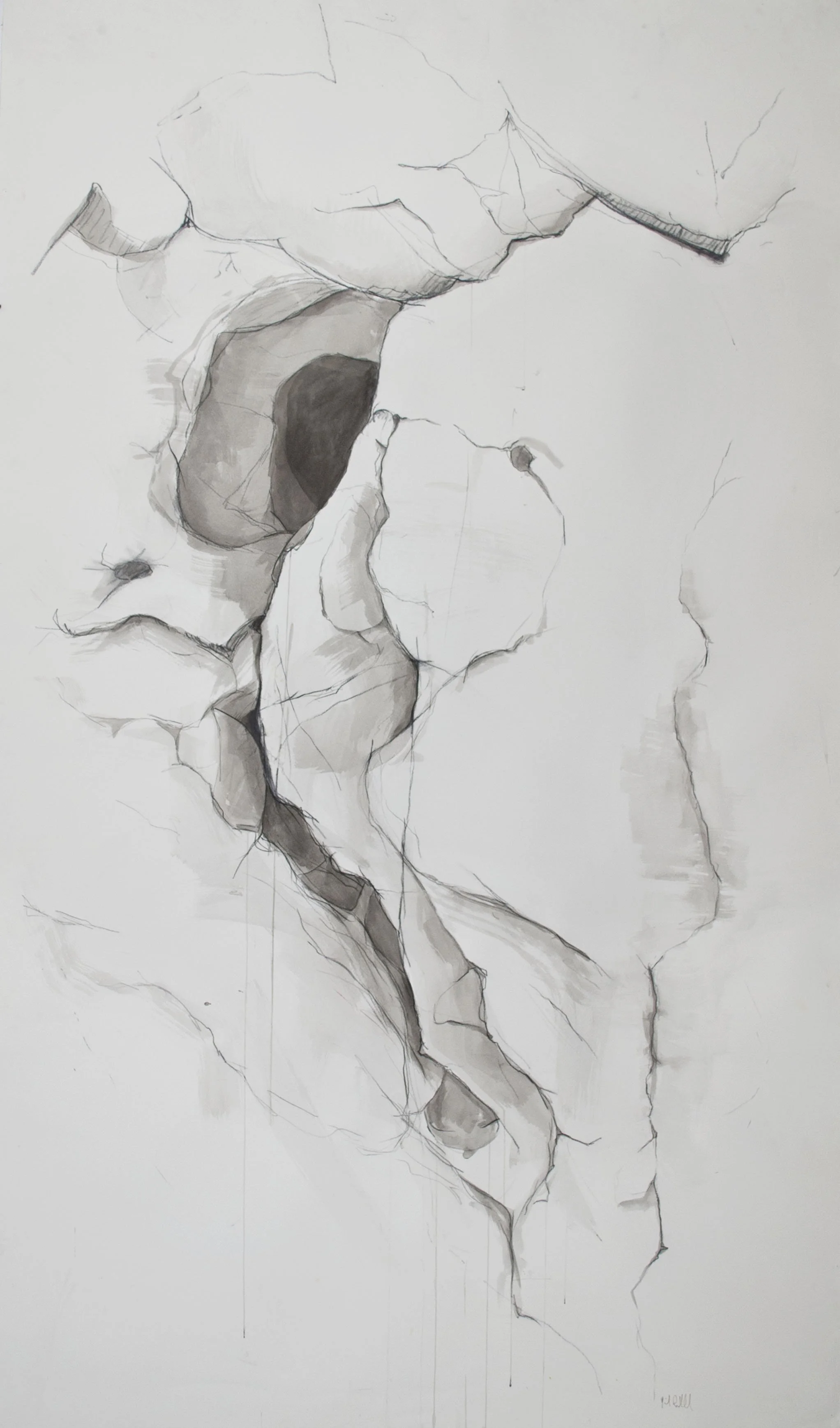
Time Out of Mind (Boulder Problem 15), 2010. Charcoal, ink, and watercolor on paper. 88 x 51 inches.
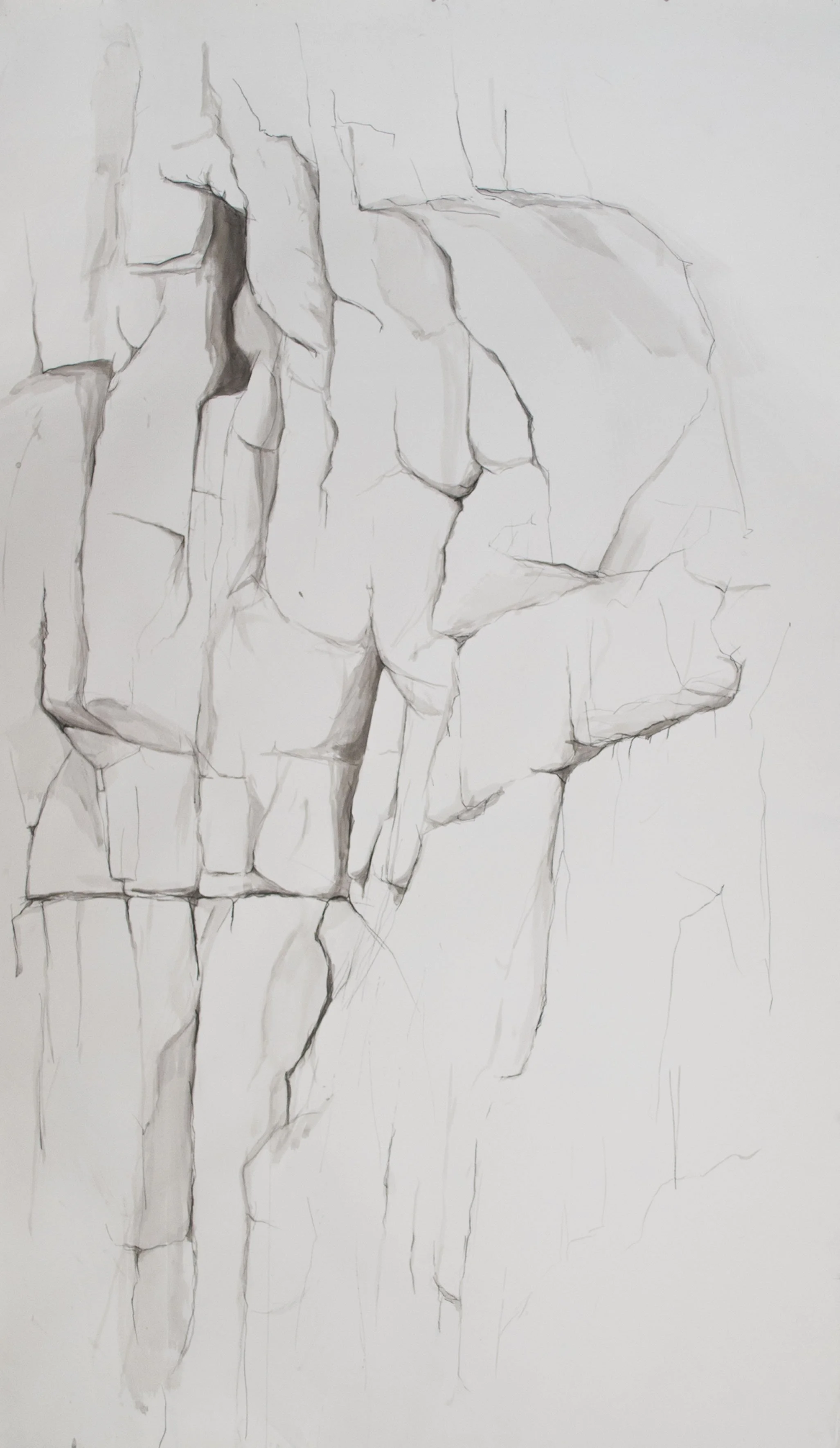
Movement of Fear (Boulder Problem 17), 2010. Charcoal, ink, and watercolor on paper. 88 x 51 inches.
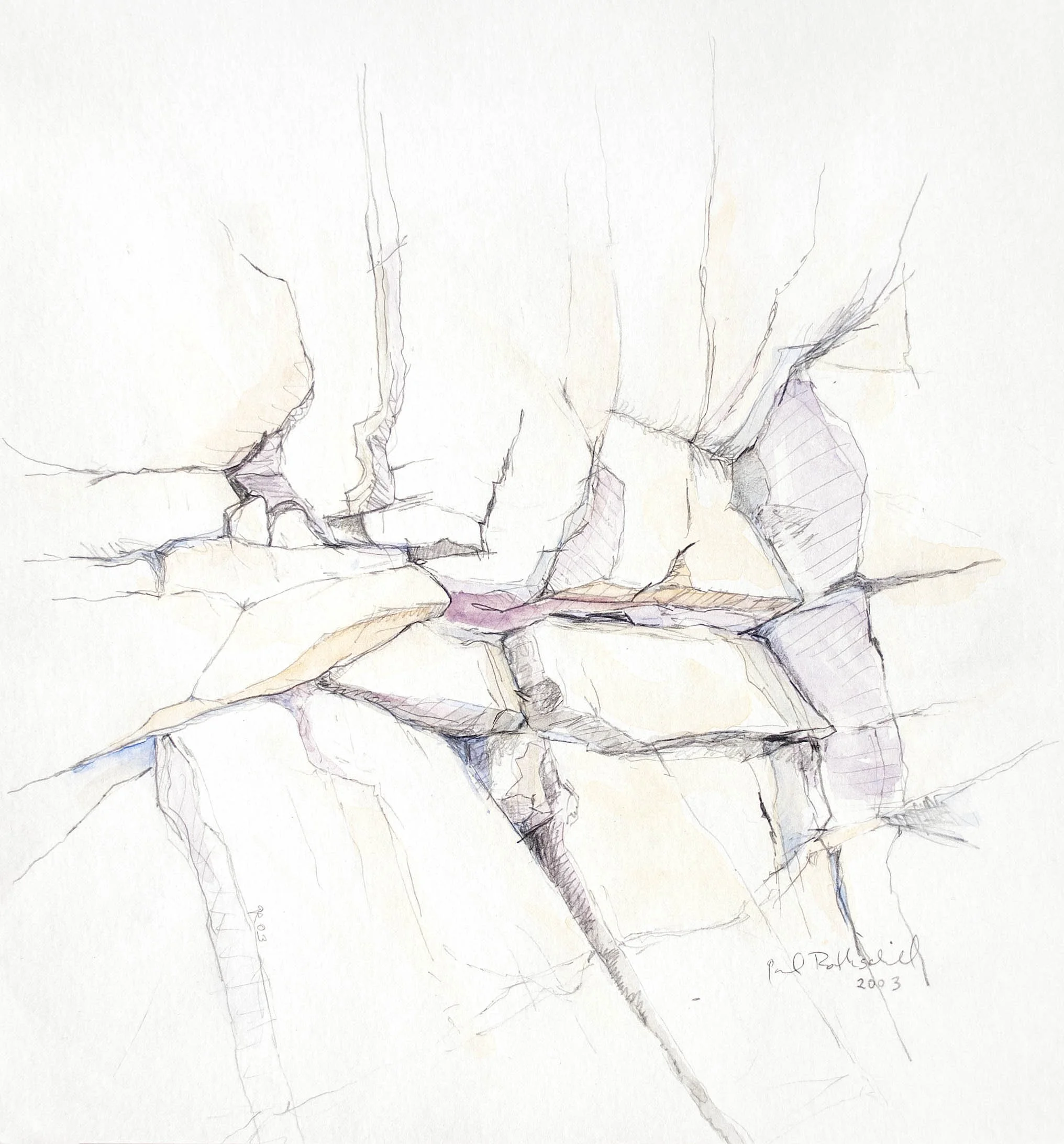
A Boulder Problem Drawing, 2013. Graphite and watercolor on paper.
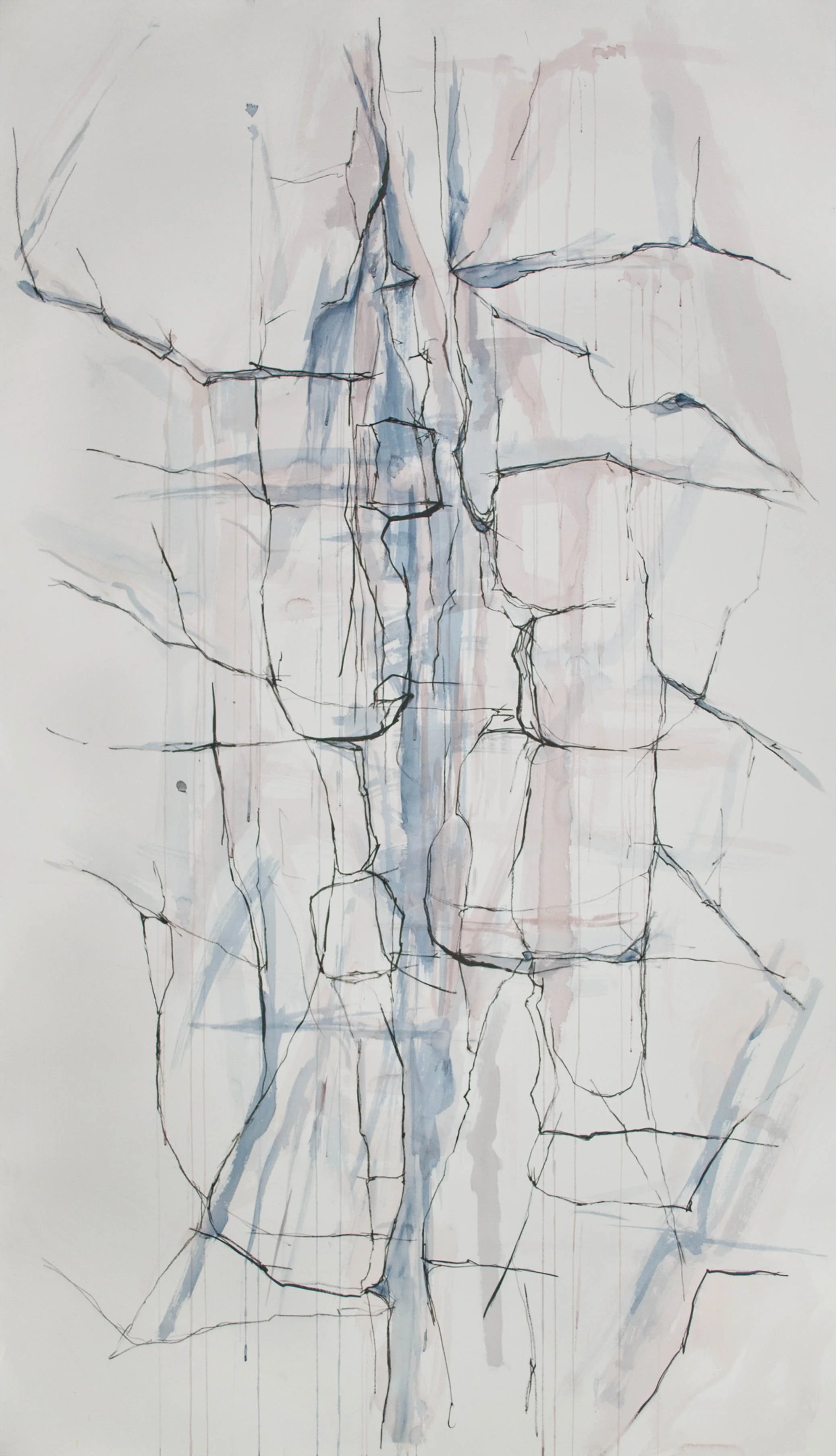
Street Knowledge (Boulder Problem 2), 2010. Charcoal, ink, and watercolor on paper. 78 x 45 inches.
Ceuse Massif Limestone Landscape, 2002. Graphite and watercolor on paper. 10 x 69 inches.


Climberscapes
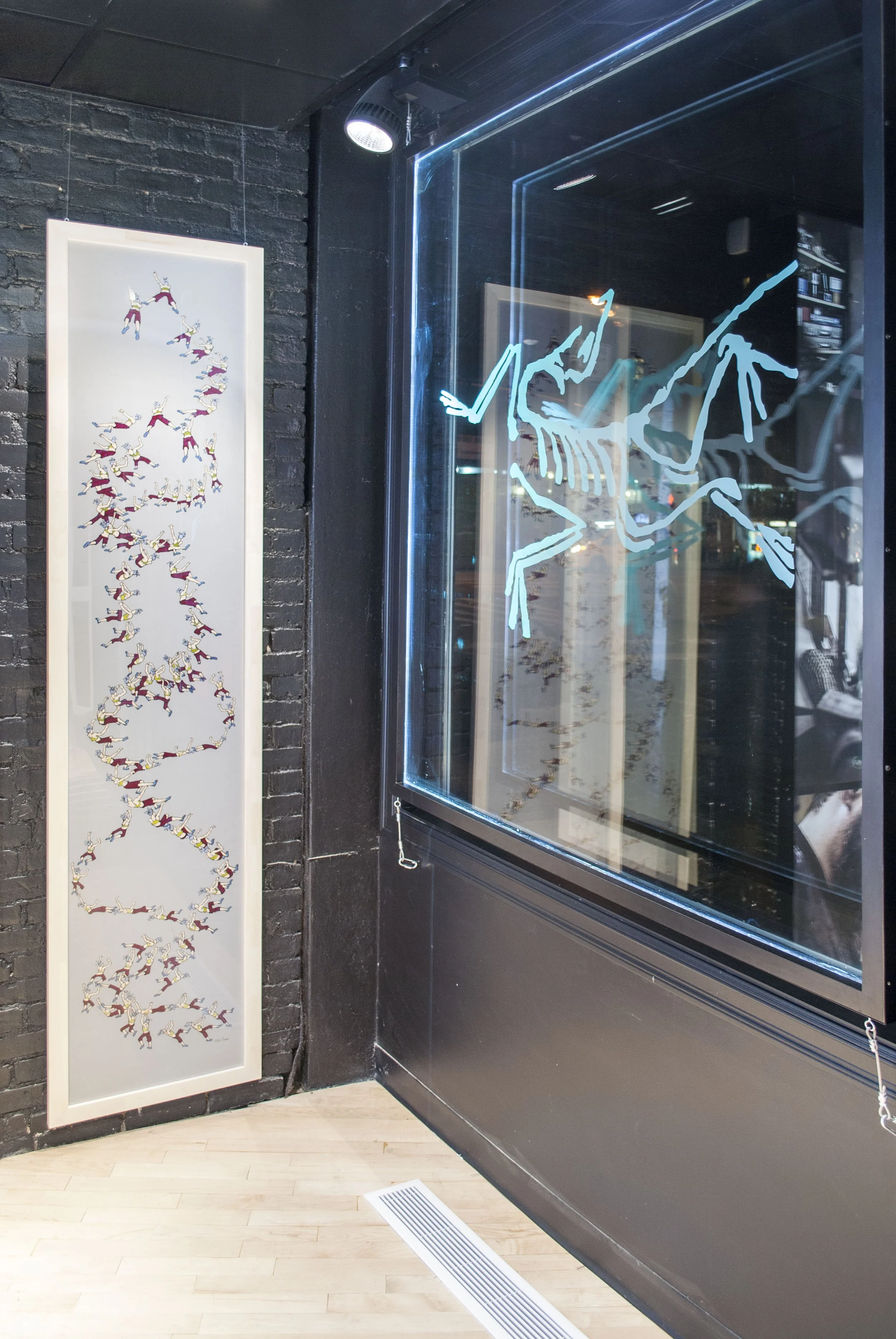
Artist Statement: Climberscapes are at once self-portraits and landscapes. Drawing inspiration from Eadweard Muybridge's 19th century photographs of figures in motion, each Climberscape begins with video footage of my own experiences rock climbing. The video is deconstructed frame-by-frame into individual figures, which I re-construct into a painting. The reversing and doubling of the strand of figures suggest the intertwining of a DNA chain.
In Western painting, landscapes are traditionally horizontal and describe single-perspective views of a scene. The Climberscapes, with their extreme verticality, refer to Chinese mountain landscape scrolls. These are landscapes that – like a climbing route – are meant to be read from bottom to top. As a rock climber, I negotiate my way up a vertical face of rock. The route is a narrative. In the Climberscape paintings, each movement of the figure tells the story of the climb.
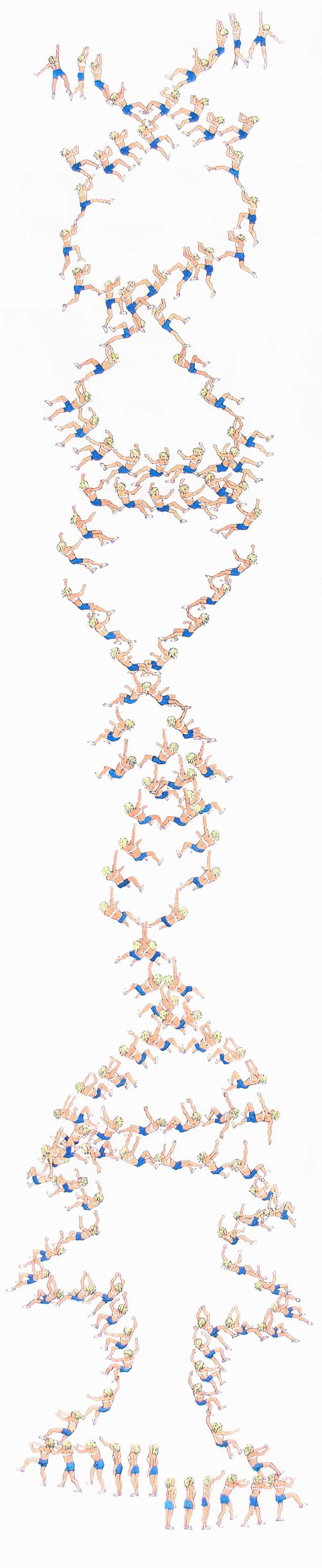
Climberscape 1, 2009. Acrylic on vellum (framed). 84 x 18 inches.
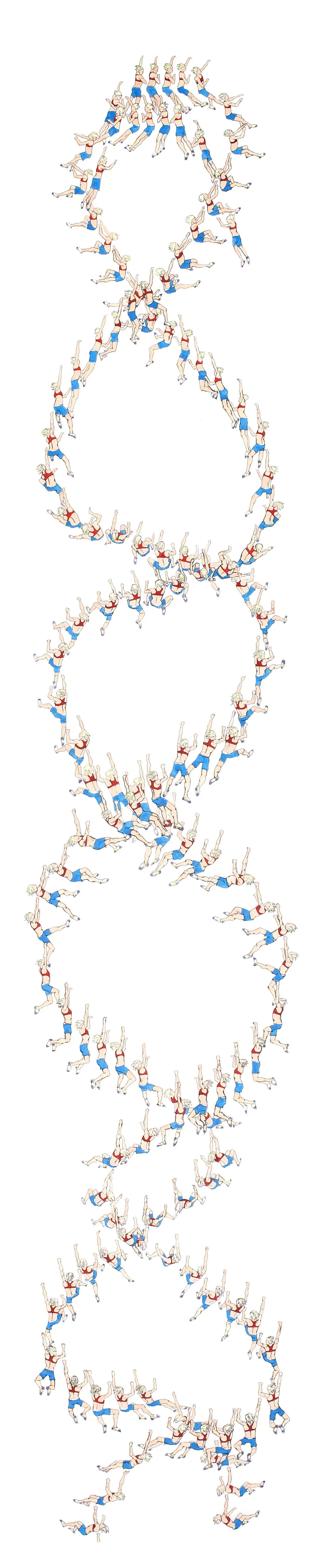
Climberscape 2, 2009. Acrylic on vellum. 84 x 18 inches.
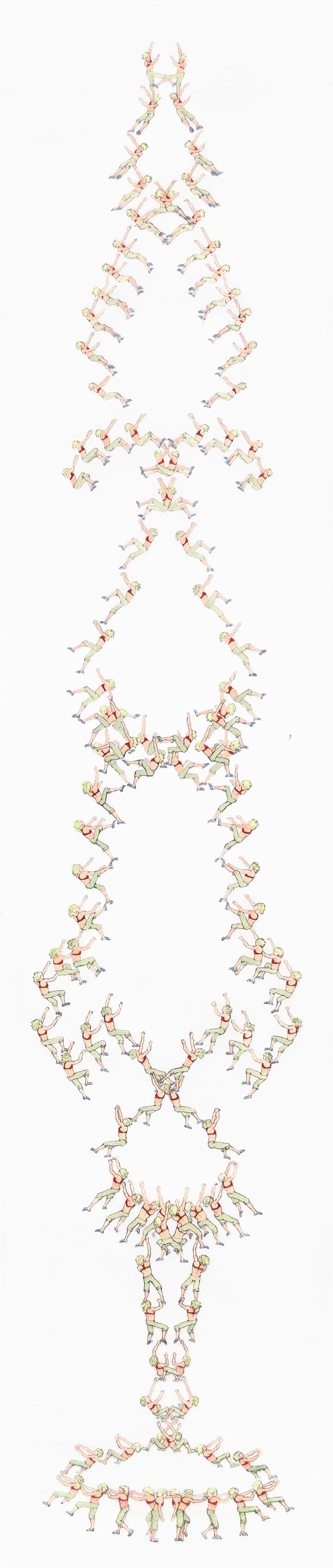
Climberscape 6, 2009. Acrylic on vellum (framed). 84 x 18 inches. [Donation to the Stissing Center]
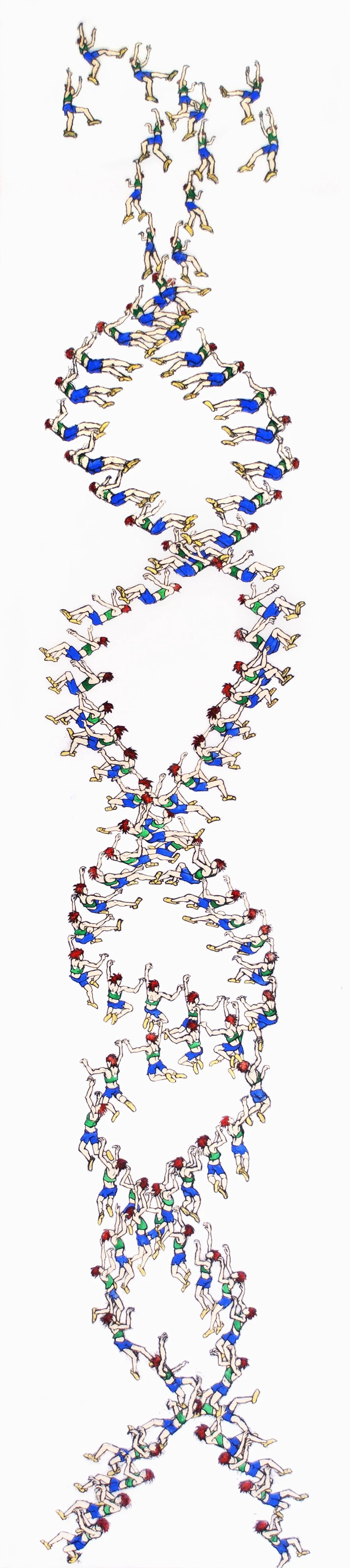
Climberscape 16, 2010. Acrylic on mylar (framed). 83 x 17 inches.
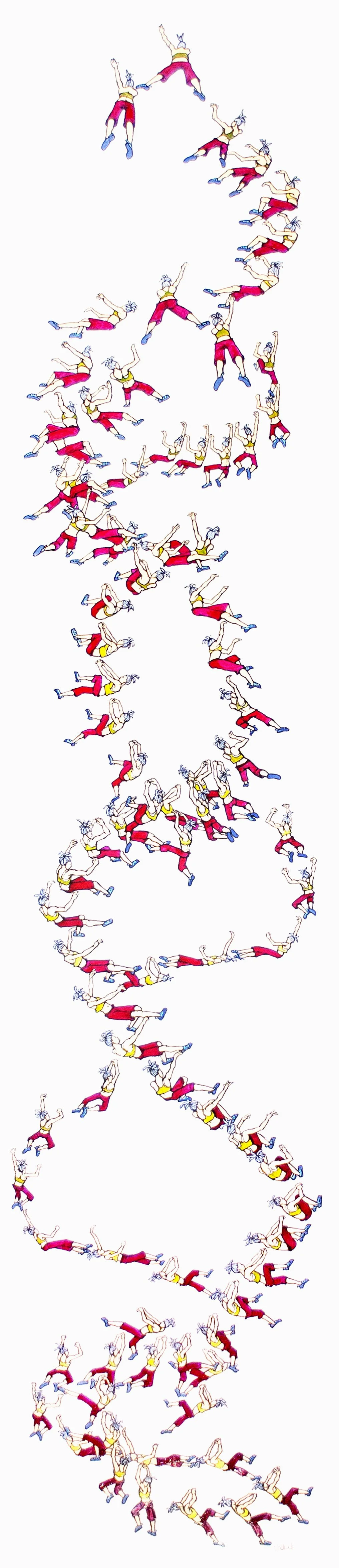
Climberscape 17, 2010. Acrylic on mylar (framed). 85 x 18 inches.
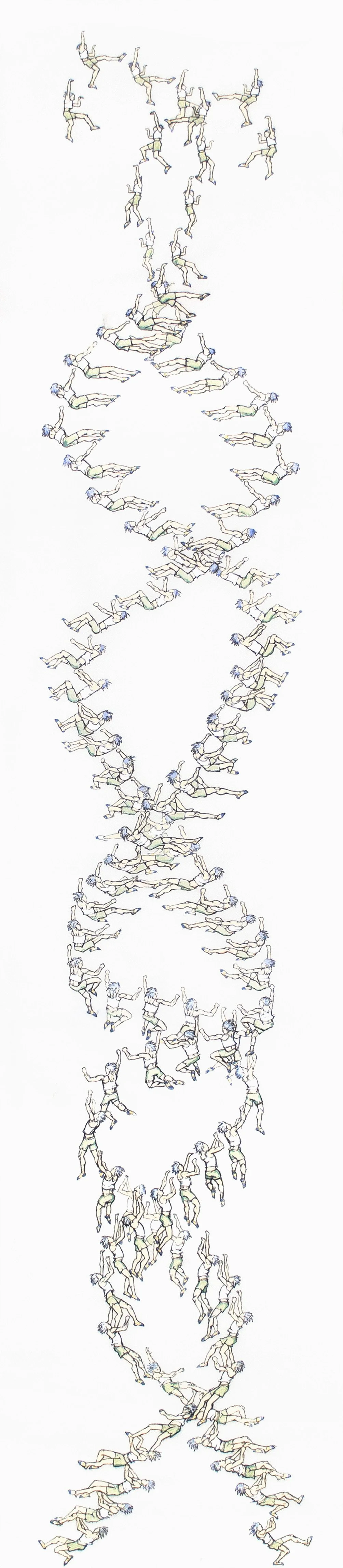
Climberscape 18, 2010. Acrylic on vellum. 82 x 18 inches.
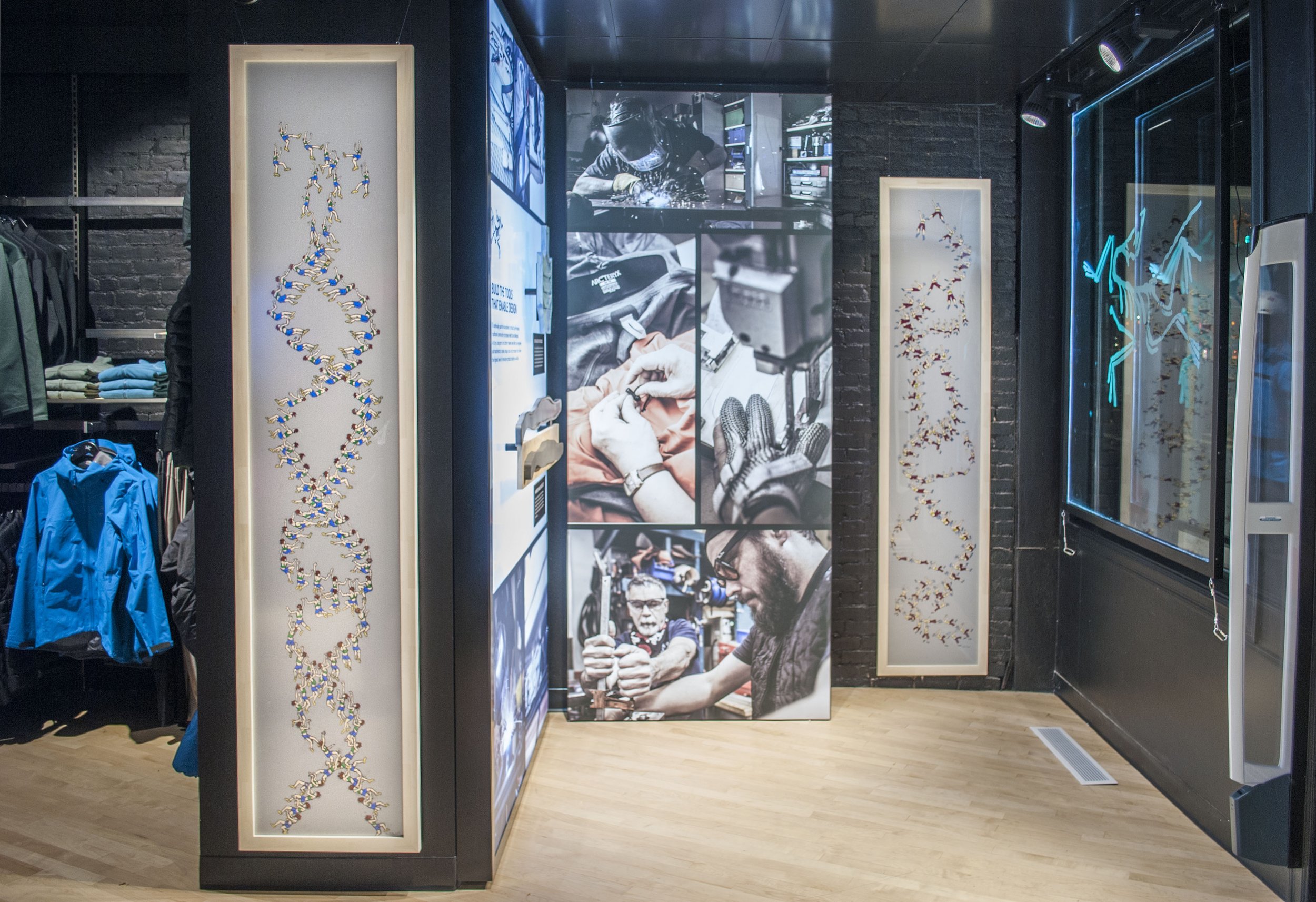
Climberscapes
installation
Arc’teryx Soho, 2016
Daisy Chains
Artist Statement: Daisy Chains…

Daisy Chain 1, 2011. Pastel and charcoal on paper. 90 x 11 inches.

Daisy Chain 8, 2011. Pastel and charcoal on paper. 90 x 17 inches.
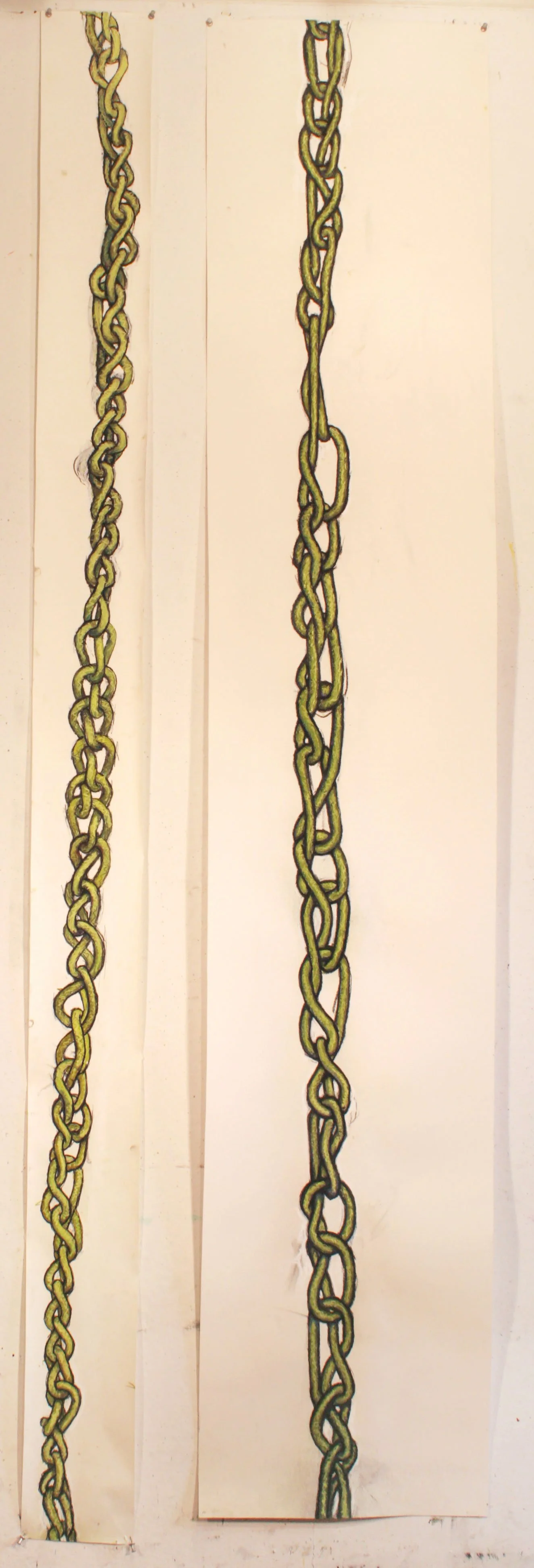
Daisy Chain 10 & 7 (studio installation), 2011. Pastel and charcoal on paper. Variable dimensions.